Changi Airport to Johor Bahru: The Legal Commercial Van Transit Guide
Landing at Changi Airport and heading straight across the border to Johor Bahru (JB) is one of the most practical transit routes for international tour groups, corporate teams, and families traveling with substantial flight luggage. With regional tourism hitting historic highs due to the Visit Malaysia 2026 campaign, thousands of travelers make this overland crossing every week.
However, the convenience of this route has a critical prerequisite: your transport must be entirely legal. Singapore’s Land Transport Authority (LTA) and cross-border customs agencies have heavily intensified enforcement against illegal, unlicensed passenger transport services. For any traveler, understanding the legal boundaries of cross-border transport is no longer optional—it is the defining factor in whether your trip succeeds or terminates abruptly at an enforcement checkpoint.
The Legal Reality: Why Regular Private Cars Are a Massive Risk
The market is flooded with online advertisements offering seemingly cheap, direct private-car transfers from Changi Airport to Malaysia using standard, unmarked consumer vehicles or private-hire cars. Under Singapore’s road transit laws, operating these services is strictly illegal, and using them exposes passengers to severe consequences.
1. Active LTA Enforcement Stings
The LTA regularly conducts targeted enforcement operations at Changi Airport passenger pick-up bays, terminal drop-off points, and directly along the approach expressways to the checkpoints. If an enforcement officer intercepts an unlicensed vehicle operating a paid cross-border service, the vehicle is subject to immediate impoundment on the spot. The driver faces arrest, and your travel party will be summarily stranded at the roadside with all of your luggage.
2. The Insurance Voidance Trap
Standard automotive insurance policies explicitly forbid the use of private vehicles for commercial "hire or reward" purposes. If you are involved in a traffic accident while riding in an illegal, unlicensed private transfer, the vehicle’s insurance policy becomes completely null and void. This leaves passengers with absolutely zero liability coverage, zero medical compensation support, and no legal recourse across international borders.
3. Comprehensive Legal Compliance
To provide a legal, high-occupancy transit service from Changi Airport into Malaysia, transport providers must utilize vehicles registered strictly under commercial transport frameworks. In the context of large passenger groups and airport transfers, this means operating fully licensed commercial tour vans and mini-coaches that carry valid Malaysian commercial excursion permits, legally designated as Bas Pesiaran.
Operational Mechanics: Navigating the Border via Commercial Lanes
Choosing a legitimate commercial van service completely removes your legal vulnerability, but it also alters the physical infrastructure your vehicle must use at the checkpoints. Because these high-capacity vans operate under commercial transport laws, they do not mix with standard consumer car traffic.
Phase 1: Coordinated Terminal Pickup at Changi Airport
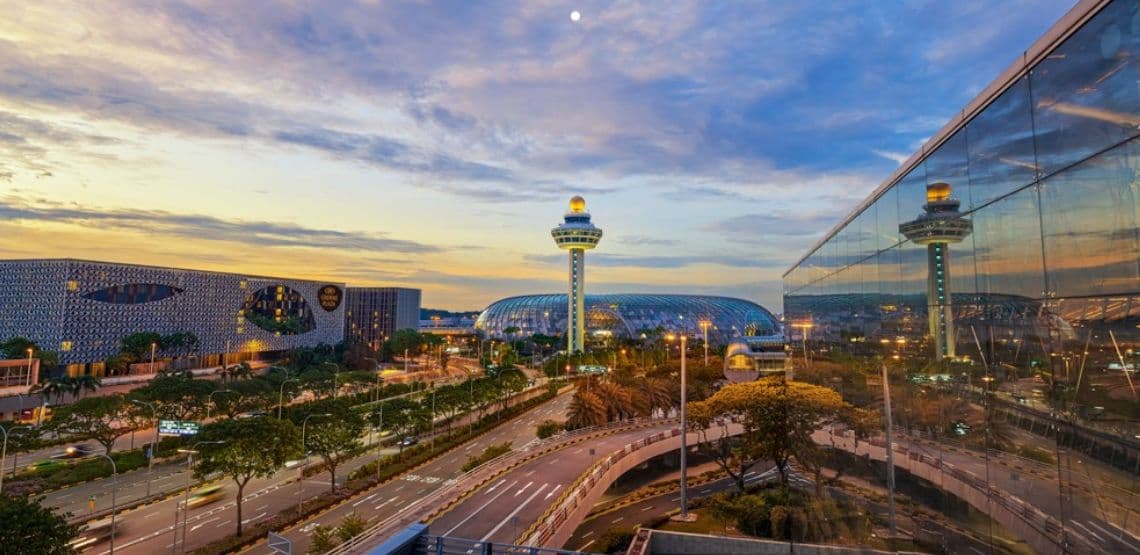
Your licensed chauffeur coordinates directly with your flight's real-time touchdown data. Because commercial vans are larger passenger vehicles, your pickup does not occur at standard car queues. Instead, your driver guides your party to Changi’s dedicated commercial coach bays or loading zones located at Terminals 1, 2, 3, or 4. This ensures seamless, unhurried loading of heavy flight baggage, oversized travel cases, and equipment.
Phase 2: Routing via the Heavy Commercial Bus Lanes
Upon reaching either the Woodlands Causeway or the Tuas Second Link, your commercial van is legally restricted from entering the light vehicle car booths. Instead, the vehicle must route directly into the heavy commercial bus and coach lanes.
Phase 3: The Step-by-Step On-Foot Customs Process
Because commercial van transit uses the shared bus infrastructure, the "clear customs from inside the car cabin" workflow does not apply. Passengers must be prepared for the following physical sequence at both Singapore and Malaysia checkpoints:
- Platform Disembarkation: The driver parks the van in a designated commercial coach bay at the customs complex.
- Complete Baggage Extraction: Every passenger must exit the vehicle and personally remove all luggage, flight bags, and items from the van's cargo area. No bags can be left behind inside the vehicle.
- Pedestrian Immigration Hall Clearance: You will carry your bags on foot up into the main terminal building. You will line up to pass your passport through the manual officer counters or the automated E-Gates.
- Security Customs X-Ray: Immediately following passport control, you will pass all your luggage through high-resolution X-ray scanners for standard customs inspections.
- Re-boarding the Vehicle: Once cleared, you exit the terminal hall into the departure bus bays. Your commercial van will be waiting for you in the designated clearance area, where your bags are reloaded to continue the journey.
Legal & Structural Analysis: Commercial Vans vs. Illegal Transfers
| Operational Parameter | Licensed Commercial Van Service (Bas Pesiaran) | Unlicensed / Illegal Private Car Service |
|---|---|---|
| LTA Regulatory Status | 100% Legal & Compliant with cross-border commercial passenger transit frameworks. | Strictly Illegal; violates public service vehicle laws, subject to active sting seizures. |
| Insurance Protections | Fully Active. Comprehensive commercial passenger liability insurance valid in both countries. | Voided. Private insurance is instantly nullified if paid transit is discovered. |
| Border Lane Infrastructure | Heavy Commercial Bus Lanes. Handled via high-capacity public terminal hubs. | Light Vehicle Lanes. Subject to strict profiling, stop-checks, and turn-backs by customs. |
| Physical Clearance Workflow | Passengers disembark briefly with luggage to pass through the terminal security scanners. | Driver attempts in-cabin clearance, running a constant risk of enforcement scrutiny. |
| Cargo & Baggage Suitability | High-volume dedicated cargo holds designed explicitly for heavy airport flight luggage. | Highly restricted trunk space; often forces luggage to stack into passenger seating zones. |
Critical Border Compliance Checklist for Air Travelers
While your professional commercial chauffeur assumes complete responsibility for managing vehicle road charges, automated checkpoint tolls, and entry permit clearances, passengers remain personally accountable for their individual customs eligibility.
1. The Mandatory MDAC Form
Every foreign passport holder entering Malaysia via land checkpoints must submit the digital Malaysia Digital Arrival Card (MDAC). This form must be completed online within three days prior to arriving at the border checkpoint. Because you will step directly into your commercial van upon landing at Changi, it is highly recommended to fill out your MDAC before your flight departs its origin airport or via Changi’s terminal Wi-Fi immediately after landing.
2. Uncompromising Singapore Customs Regulations
If your travel itinerary includes a return journey from JB back into Singapore later, you must remember that Singapore's Immigration & Checkpoints Authority (ICA) maintains zero-tolerance security policies.
- Vapes are Completely Banned: Electronic vaporizers (e-cigarettes), vape juices, and chewing tobacco are strictly illegal to possess inside Singapore. Because your luggage will pass thoroughly through pedestrian X-ray scanners at the bus checkpoint halls, attempting to bring a vape device across the border will lead to immediate detection, confiscation, and severe financial penalties.
- No Tobacco Duty-Free Concessions: Unlike airport duty-free allowances, there is zero tax-free concession for cigarettes or tobacco products entering Singapore via land borders. Every single tobacco item must be declared at the customs desk upon entry, or you will face immediate proseution for tax evasion.
Document Framework
- Editorial Team: Travelex Admin
- Data Context: Sun, 17 May 2026 14:00