An Honest Assessment of Dewakan Kuala Lumpur: Elevating Malaysian Ingredients to Fine Dining Standards
An Honest Assessment of Dewakan Kuala Lumpur: Elevating Malaysian Ingredients to Fine Dining Standards
When conversations turn to Malaysian cuisine, the mind naturally drifts toward our incredible street food culture. The enduring legacy of our food lies in the bustling hawker centers, the late-night character of markets like Bazar Karat, and the unpretentious comfort of a perfect plate of Nasi Lemak. Yet, a quieter, highly intellectual culinary narrative has taken root in the capital over the last few years.
At the center of this movement is Dewakan, an establishment that deliberately challenges what it means to experience modern Malaysian gastronomy. Perched high above the city center, the kitchen here does not seek to replicate traditional comfort food; instead, it recontextualizes indigenous, rare, and frequently ignored local components into a structured, world-class fine dining experience.
The Logistical Baseline
Before analyzing the culinary narrative, understanding the operational parameters of the venue is essential for a smooth visit:
- The Sourcing Ethos: The kitchen relies entirely on native, wild, and indigenous Malaysian produce gathered from deep jungle interiors, local micro-farmers, and coastal fishing communities.
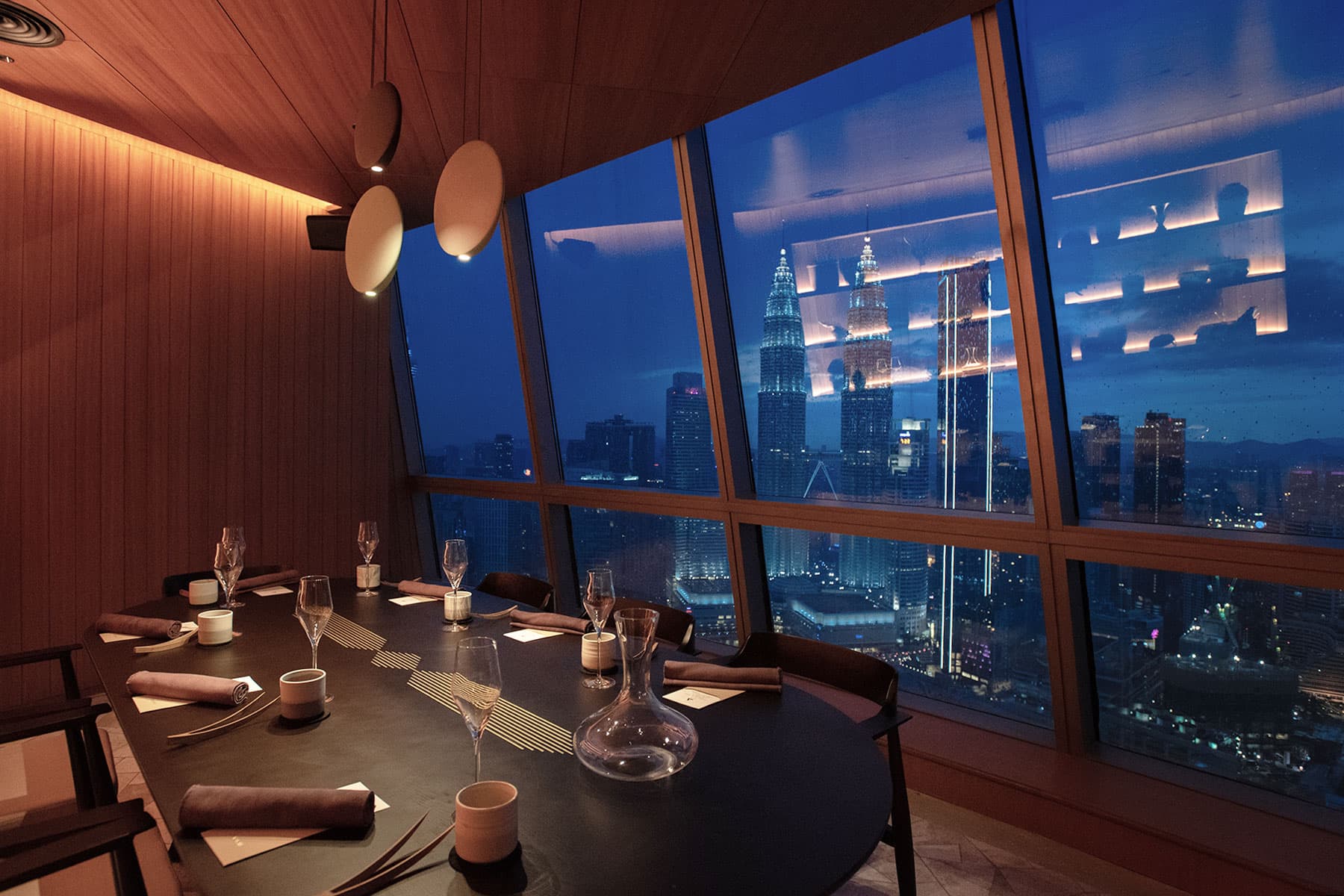
- The Atmosphere: The dining room features a minimalist design with panoramic city views, anchored by an expansive open kitchen where the service is highly structured.
- The Menu System: Guests are served a singular, multi-course progressive tasting menu that changes according to seasonal availability.
- The Access Requirements: Due to limited seating capacity and international interest, advanced online placement via their digital reservation portal is mandatory.
The Core Philosophy: Shifting Perspectives
The name Dewakan combines two Malay words: Dewa (god) and Makan (to eat). This translation hints at an ambitious standard, but the actual execution is grounded in a deep respect for the land.
Led by Chef Darren Teoh, the kitchen actively avoids standard luxury exports. You will not find foreign truffles, imported caviar, or Japanese wagyu on the table. Instead, Dewakan focuses its energy inward, exploring the culinary potential of the Malaysian rainforest and coastlines. Ingredients that are rarely seen in modern commercial kitchens—such as kulim (a jungle nut carrying an intense garlic profile), buah keluak, wild ginger buds, and traditional ferments—become the primary focus of the entire meal.
Deconstructing the Tasting Menu
The seasonal tasting menu operates as a progressive narrative. Each plate presents distinct textures, deep umami profiles, and deliberate levels of acidity that push the boundaries of conventional flavor pairings.
The Introductory Courses
The experience commences with a series of small, intricate bites. These opening courses focus heavily on the raw flavors of the Malaysian landscape, utilizing preserved local fruits, hyper-fresh native greens, and delicate house-cured proteins to prepare the palate.
The Coastal and Sea Expressions
Seafood courses focus on pristine, sustainably harvested catches from local waters. Rather than masking the natural profile of the fish, the kitchen uses complex reductions made from native jungle fruits or slow-cooked broths to enhance the clean flavors of the sea.
The Kulim Integration
A prominent feature across many iterations of the menu is the technical application of the kulim nut. The kitchen extracts its deep, earthy properties into smooth oils and concentrated reductions, introducing a flavor note that feels both comforting and completely unfamiliar within a high-end framework.
The Dessert Progression
The pastry section avoids heavy refined sugars, opting instead for natural sweetness derived from native palms, rare local honeys, and acidic fruits. Dessert courses frequently showcase single-origin chocolates sourced directly from indigenous Orang Asli communities, providing a balanced, bitter-sweet end to the progression.
Perspective: Breaking the Traditional Template
To truly appreciate what the team is doing, it helps to understand how Dewakan's core design compares to standard luxury dining concepts:
The Product Sourcing
Dewakan: Focuses strictly on wild, native, and indigenous ingredients sourced through direct community partnerships within Malaysia.
Traditional Fine Dining: Prioritizes imported European or global luxury commodities to establish premium value.
The Dining Format
Dewakan: A singular, intellectual menu sequence where all guests experience the exact same culinary journey simultaneously.
Traditional Fine Dining: Offers flexible à la carte choices or predictable, multi-option fixed menus.
The Room Environment
Dewakan: Situated within Sky傍 (Naza Tower) at Platinum Park, the room utilizes subdued lighting, dark tones, and an open kitchen to emphasize the food preparation.
Traditional Fine Dining: Relies on white-tablecloth setups, formal dining spaces, or standard luxury hotel branding.
Essential Traveler Logistics
Securing a reservation requires advanced planning due to the restaurant's global profile and limited table count.
Advanced Planning
Reservations must be processed well ahead of your intended date through their official digital booking system. Tables open systematically on a rolling monthly basis, and weekend openings or holiday periods tend to fill up within minutes of going live.
Dietary Adjustments
Because the menu is built around highly specific, rare seasonal elements, spontaneous alterations are exceptionally difficult for the kitchen to manage. Diners are required to clearly outline any severe medical allergies or critical dietary restrictions during the initial digital booking step.
Property Standards
The establishment maintains a smart-casual dress code to match the premium atmosphere of the building. Elegant attire is expected; sportswear, casual shorts, and beach footwear are explicitly restricted from the dining room.
On-The-Ground Strategy
- Approach the Meal as an Exploration: This menu is not designed to satisfy a craving for traditional comfort food. The courses intentionally explore intense fermentations, deep bitter profiles, and complex jungle aromas. It should be approached as an educational journey through regional botany and history.
- Consider the Beverage Program: The curated beverage pairing adds significant depth to the meal. The restaurant develops innovative, non-alcoholic house-fermented juices and kombuchas alongside a premium wine list, specifically designed to balance the rich umami notes of the courses.
- Manage Your Travel Timing: Traffic conditions inside the Kuala Lumpur Golden Triangle can become highly volatile during the evening rush (from 6:00 PM to 8:30 PM). To ensure you arrive relaxed and ready for your designated seating window, utilize the city's integrated rail network or secure your transport arrangements early.
Document Framework
- Editorial Team: Travelex Admin
- Data Context: Sun, 17 May 2026 19:16