The Legacy of the Kopitiam: An Honest Review of Ho Kow Hainan Kopitiam Kuala Lumpur
Executing a thorough culinary journey across Malaysia involves a continuous shift between high-end heritage establishments like Kebaya or Dewakan and the foundational, grassroots coffee shops that built the nation's food identity. While exploring night markets like Bazar Karat reveals the energy of contemporary evening food culture, understanding the historical roots of local breakfast traditions requires an early morning trip to the edge of Kuala Lumpur's Chinatown.
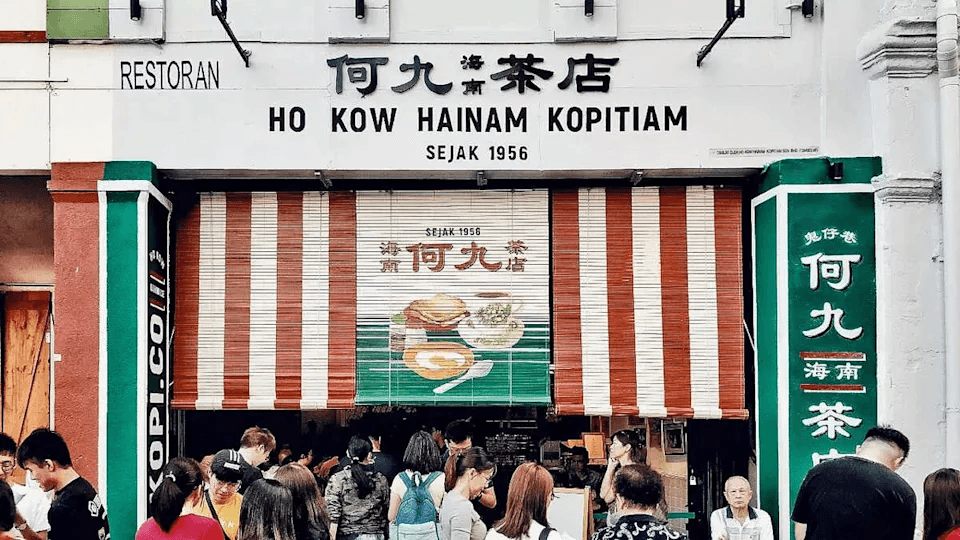
Operating continuously since 1956, Ho Kow Hainan Kopitiam has evolved from a humble, alleyway stall serving local laborers into a legendary culinary institution. Located along Jalan Balai Polis, just steps from the historic Petaling Street enclave, this vibrant venue painstakingly preserves the unique, century-old cooking and coffee-brewing traditions brought over by Hainanese immigrants.
The Logistical Baseline
Before joining the inevitable morning queue, understanding the specific operational parameters of Ho Kow is critical for managing your itinerary:
- The Culinary Core: Traditional Hainanese coffee shop breakfast fare, highlighting charcoal-toasted bread, house-made kaya, soft-boiled eggs, and robust, butter-roasted coffee.
- The Atmosphere: A nostalgia-fueled, multi-level dining space decorated with vintage murals, historical photographs, and rustic wooden furniture that replicates mid-century British Malaya.
- The System: A hybrid of historical dining and modern waitlist management; guests must register via a digital ticketing queue system upon arrival.
- The Peak Hours: Exceptionally busy from 7:30 AM through the lunch rush, especially on weekends; arriving before the doors open is highly recommended to secure an early table.
The Philosophy: Preserving Hainanese Craft
Hainanese migrants arrived in Malaya later than other Chinese dialect groups, frequently finding employment within colonial British households, hotels, and ships as chefs and culinary staff. This historical intersection birthed a distinct culinary subculture that fused Western breakfast elements with local southeastern Asian ingredients and Chinese techniques.
The team behind Ho Kow treats this heritage with immense seriousness. Rather than streamlining the menu using modern automated appliances, they stick strictly to time-tested methodologies. The signature coffee beans are still roasted locally with sugar and butter to unlock a rich, caramelized depth, and the bread is toasted over traditional heat sources to guarantee a crisp exterior that holds its texture when dipped into soft-boiled eggs.
Deconstructing the Breakfast Matrix
The menu provides an extensive, unpretentious roadmap of classic comfort food. The flavor profiles play heavily on the comforting balance of sweet, salty, and deep umami notes.
The Kaya Toast Foundations
The cornerstone of any traditional Kopitiam experience is the Kaya Butter Toast. Ho Kow uses a signature house-brewed egg jam (Kaya) that is slow-stirred for hours to achieve a smooth, fragrant, and caramelized finish. Layered generously with cold, thick slabs of salted butter between light, crispy slices of toasted white or wholemeal bread, it offers a beautiful contrast of temperatures and textures.
The Soft-Boiled Egg Ritual
To experience the dish like a local, pair your toast with their perfectly timed soft-boiled eggs. Served in a traditional ceramic hot-water dish, the eggs feature warm, velvety yolks and translucent whites. Season them with a dash of heavy black soy sauce and white pepper, beat lightly, and use your toast to scoop up the mixture.
Hainanese Main Course Staples
For those seeking a heavier morning meal, the Hainan Fried Chicken Chop is a masterclass in colonial fusion. A whole chicken thigh is deeply marinated, battered, fried to a golden crunch, and smothered in a classic, savory-sweet tomato-based gravy laden with green peas, onions, and potato wedges. Their Hainanese Nasi Lemak and savory steamed rice sheets (Chee Cheong Fun) provide additional robust breakfast alternatives.
The Brewed Beverages
The beverage program is anchored by Kopi (traditional coffee). Brewed using a flannel cloth filter pulling bag, the resulting cup is thick, low in acidity, and highly aromatic. Order a Kopi Cham—a calculated, velvety hybrid of thick local black coffee and fragrant milk tea—to experience the ultimate expression of Malaysian kopitiam beverage art.
Perspective: Traditional Kopitiam vs. Modern Cafes
To understand why Ho Kow maintains such an iconic status among locals, consider how its core infrastructure compares to modern westernized cafes:
The Coffee Profile
Ho Kow Hainan Kopitiam: Uses locally sourced Robusta beans roasted with butter and sugar, producing a thick, dark, and heavily caramelized brew served with condensed or evaporated milk.
Modern Cafes: Relies on imported Arabica beans processed via espresso machines, focusing on subtle tasting notes like fruitiness, acidity, and floral undertones.
The Service Pipeline
Ho Kow Hainan Kopitiam: Integrates a high-volume digital ticketing queue system with rapid, automated order printing to feed hundreds of diners per hour while maintaining classic hospitality.
Modern Cafes: Follows a standard, slower à la carte counter ordering sequence centered around relaxed, long-stay seating dynamics.
The Cultural Aesthetic
Ho Kow Hainan Kopitiam: Celebrates cultural preservation through retro signage, old-school ceramic cups, vintage porcelain tiles, and a lively, multi-generational communal atmosphere.
Modern Cafes: Adopts minimalist, industrial, or Scandinavian interior designs featuring quiet workspaces and ambient lo-fi music backgrounds.
Essential Traveler Logistics
Because of its prominent placement on the Chinatown tourist trail, executing a successful visit to Ho Kow requires tactical timing.
Managing the Queue
Upon arrival, head straight to the front entrance to extract a physical queue ticket from the digital kiosk system. Do not wander off; numbers are called rapidly. You can scan the QR code on your ticket to track the live progress of the queue on your phone while walking through nearby attractions like Kwai Chai Hong hidden lane.
Dietary Observations
The menu features a wide array of historical dishes, many of which traditionally incorporate chicken, seafood, and pork elements. While there are egg, toast, and vegetarian noodle alternatives available, individuals with severe medical allergies or strict dietary restrictions should speak directly with the floor manager before placing orders through the digital terminal.
Neighborhood Parking Realities
The narrow, pre-war streets surrounding Jalan Balai Polis are notoriously congested, and legal parking spaces are almost non-existent. Save yourself immense frustration by avoiding driving entirely. Take the MRT directly to the Pasar Seni Station; the kopitiam is a gentle, highly scenic five-minute walk from the station exit.
Strategic On-the-Ground Tips
- Decipher the Drink Ordering Codes: To order like a seasoned local, familiarize yourself with standard kopitiam terminology: Kopi (Coffee with condensed milk), Kopi O (Black coffee with sugar), Kopi C (Coffee with evaporated milk and sugar), and appending -Kosong to indicate no added sugar.
- Share the Table Comfortably: During extreme peak morning rushes, the restaurant operates under traditional communal rules. Be prepared to share larger tables with other travelers or local commuters; it is a fundamental part of the authentic, lively kopitiam social experience.
- Explore Chinatown Afterwards: Use your breakfast slot as the anchor for a broader historical walking tour. Once finished, walk through the adjacent wet markets, visit the ornate Sri Mahamariamman Temple, or explore the local independent art galleries and hidden speakeasies that define the modern renaissance of downtown Kuala Lumpur.
Document Framework
- Editorial Team: Travelex Admin
- Data Context: Sun, 17 May 2026 20:02