
Why Penang is Malaysia’s Ultimate Destination: Heritage, Street Food, and Island Charm
When planning a comprehensive cross-country journey through Peninsular Malaysia, travelers are faced with an abundance of choices. You can navigate the high-end shopping complexes of Kuala Lumpur, explore the historical southern trading hubs, or ascend into the mist-shrouded tea plantations of the mountains. Yet, there is one specific northern island that consistently ranks as a non-negotiable stop on every definitive overland itinerary: Penang.
Known affectionately as the "Pearl of the Orient," Penang captures the very essence of Malaysia’s multi-layered identity. It is a place where historic preservation effortlessly balances with urban creativity, and where traditional grassroots food culture thrives alongside modern coastal retreats. Here is an honest, editorial assessment of exactly why Penang remains the ultimate crown jewel of Malaysian tourism.
The Logistical Baseline
Before mapping out your island exploration, understanding the core operational parameters of Penang ensures a seamless transit experience:
- The Primary Hub: George Town, a highly walkable UNESCO World Heritage site celebrated for its pre-war architecture and interactive street art.
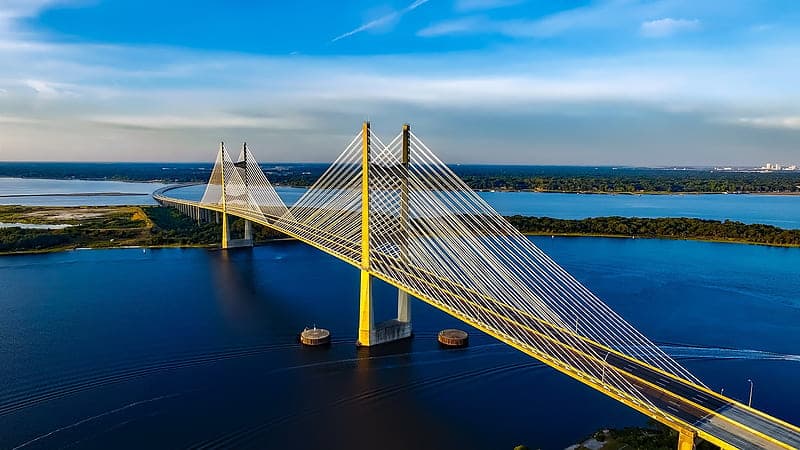
- The Transit Infrastructure: Accessible via two engineering marvels—the Penang Bridges—for overland drivers, as well as Penang International Airport for rapid domestic and regional flights.
- The Culinary Identity: Widely recognized as the street food capital of Southeast Asia, dominated by open-air hawker centers and historic clan recipes.
- The Best Travel Strategy: Dedicate at least three to four days to balance the historical inner-city streets with the island's quieter nature paths and coastal fringes.
1. Living History: The Magic of George Town’s UNESCO Core
The primary magnet pulling travelers to Penang is George Town, a beautifully preserved enclave that earned its UNESCO World Heritage status through its unique architectural and cultural townscape. Walking these streets feels like stepping backward into a living museum.
Interactive Street Art Culture
George Town famously transformed its historical walls into a sprawling interactive gallery. Scattered across the pre-war masonry are the iconic, weathered murals painted by artist Ernest Zacharevic. These pieces integrate physical objects—like real bicycles, motorcycles, and swings—allowing visitors to become a part of the artwork. Tracking down these murals introduces you to the hidden alleyways and independent trade shops that define the city's character.
The Waterfront Clan Jetties
Along the bustling wooden piers of Weld Quay lie the historic Clan Jetties. Established in the 19th century by Chinese immigrants, these stilted overwater villages are divided by surnames (such as Chew Jetty or Tan Jetty). Walking down the narrow wooden planks offers an authentic look at an enduring maritime lifestyle that has resisted modern high-rise development.
2. A Culinary Pilgrimage: The Hawker Capital of Southeast Asia
It is impossible to discuss Penang without talking about its food. The island is a true melting pot where Chinese, Malay, Indian, and Peranakan flavors have cross-pollinated for centuries, resulting in a legendary culinary landscape.
The Smoke-Filled Hawker Alleys
Unlike cities where premium food is restricted to white-tablecloth venues, Penang’s best creations are found under the bright lights of open-air hawker centers like New Lane, Chulia Street, or Gurney Drive. Here, independent chefs cook over intense charcoal fires, perfecting dishes they have spent decades mastering:
- Char Kway Teow: Flat rice noodles flash-fried in a smoking wok with fresh prawns, cockles, bean sprouts, and aromatic chives.
- Assam Laksa: A tart, spicy, and deeply savory flaked fish broth infused with tamarind, lemongrass, and thick rice noodles.
- Penang Cendol: A refreshing bowl of shaved ice bathed in rich coconut milk, sweet palm sugar (gula melaka), kidney beans, and fragrant green pandan jelly ribbons.
High-End Heritage Transitions
Beyond the street stalls, Penang has cultivated a highly sophisticated heritage dining scene. Establishments like Kebaya Dining Room—housed inside the beautifully restored Seven Terraces estate—marry classic Baba-Nyonya family recipes with French culinary techniques, proving that traditional regional profiles can comfortably transition into fine dining standards.
3. The Structural Contrast: Urban Vibe vs. Natural Escape
What sets Penang apart from purely urban destinations like Kuala Lumpur is its sheer geographic diversity. Within a 45-minute drive, you can transition from high-density cityscapes to undisturbed tropical nature.
Panoramic Vistas from Penang Hill
To comprehend the island's geography, take the high-speed funicular railway up to the summit of Penang Hill. Sitting over 800 meters above sea level, the peak offers a cool mountain climate and an expansive, panoramic view of George Town, the Malacca Strait, and the mainland mountains shimmering on the horizon.
Pristine Coastal Fringes
On the northern edge of the island lies Batu Ferringhi, a stretch of coastline lined with premium resorts, water sports facilities, and lively night markets. For an even rawer escape, the Penang National Park in Teluk Bahang features challenging jungle trekking trails leading to untouched sanctuaries like Monkey Beach and the pristine Turtle Beach.
Perspective: Penang vs. Traditional Resort Islands
To understand why Penang captures such high competitive travel demand, consider how its multi-dimensional ecosystem compares to standard tropical islands:
The Activity Matrix
Penang Island: Offers a diverse balance of interactive art trails, historical architecture, world-class street food, jungle hiking, and beach relaxing.
Standard Resort Islands: Restricts your itinerary primarily to beach lounging, snorkeling, and isolated resort dining options.
Weather & Operational Continuity
Penang Island: Boasts a resilient, year-round urban and cultural ecosystem that stays fully operational regardless of seasonal monsoon cycles.
Standard Resort Islands: Frequently subject to complete structural closures or severe transport cancellations during heavy monsoon windows.
Culinary Accessibility
Penang Island: Provides thousands of cost-effective, world-class street food options alongside high-end colonial heritage dining rooms.
Standard Resort Islands: Often confines travelers to high-priced, Westernized hotel buffets and isolated resort restaurants.
Practical Essentials for Visiting Penang
- The Navigation Strategy: The pre-war lanes of old George Town are incredibly narrow and can experience heavy traffic bottlenecks during the evening dinner rush. Avoid driving your transit vehicle into the heritage core. Opt for regional ride-hailing services, rent a traditional trishaw, or simply explore the historical grids on foot.
- Keep Cash in Reserve: While modern cafes, boutique hotels, and retail malls accept international credit cards, the backbone of Penang's food scene—the street hawkers and traditional market stalls—operate strictly on cash transactions. Keep a constant supply of small-denomination Malaysian Ringgit (MYR) in your pocket.
- Respect Heritage Property Rules: Many of George Town's historic clan houses, temples, and boutique hotels are delicate architectural structures. When exploring these spaces, dress respectfully (covering shoulders and knees at places of worship), avoid leaning against old masonry, and always follow local photography guidelines.
Document Framework
- Editorial Team: Travelex Admin
- Data Context: Tue, 19 May 2026 23:23
Related blogs.
How to Travel from Singapore to Johor Bahru: The Definitive 2026 Cross-Border Guide
Changi Airport to Johor Bahru: The Legal Commercial Van Transit Guide
An Honest Assessment of Dewakan Kuala Lumpur: Elevating Malaysian Ingredients to Fine Dining Standards
The Legacy of the Kopitiam: An Honest Review of Ho Kow Hainan Kopitiam Kuala Lumpur