
Why Melaka Remains Essential: The Timeless Appeal of Malaysia’s Historic Soul
Why Melaka Remains Essential: The Timeless Appeal of Malaysia’s Historic Soul
When designing an overland cross-country road trip down Peninsular Malaysia, travelers are met with a fascinating contrast of destinations. You can immerse yourself in the high-altitude entertainment complexes of Genting Highlands, hike through the mist-shrouded tea plantations of the Cameron Highlands, or navigate the modern skyscrapers of Kuala Lumpur. Yet, as the Visit Malaysia 2026 campaign sweeps across the nation, millions of visitors continually choose to pull off the highway to explore a quiet coastal enclave in the south.
Melaka (Malacca), located roughly two hours south of the capital, holds a unique and irreplaceable position in Southeast Asian history. Rather than trying to compete with the fast-paced development of modern urban hubs, Melaka's enduring popularity relies entirely on its deep historical preservation, its world-class regional gastronomy, and a gentle, slower pace of life. Here is an honest, editorial look at why Melaka remains a non-negotiable stop on the ultimate Malaysian itinerary.
The Logistical Baseline
Before packing your bags for this historic town, keeping these core operational parameters in mind will ensure a seamless arrival:
- The Primary Route: Exceptionally accessible via the E2 North-South Expressway, making it a perfect, highly practical driving leg between Johor Bahru and Kuala Lumpur.
- The Walkability Index: The core UNESCO World Heritage zone is highly compact and entirely accessible on foot, radiating outward from the central riverbanks.
- The Atmosphere: A unique, multi-layered environment where 15th-century Malay sultanate history blends seamlessly with Portuguese, Dutch, British, and Peranakan colonial architecture.
- The Best Travel Strategy: Allocate at least two full days to experience the transition from quiet morning heritage walks to the vibrant, bustling energy of the evening riverside night markets.
1. A Living Timeline of Global Colonial History
The most resilient factor drawing travelers to Melaka is its unique townscape. Unlike modern cities built on steel and glass, Melaka’s core architecture functions as a physical textbook of global maritime trade and colonial history.
The Iconic Dutch Square (Stadthuys)
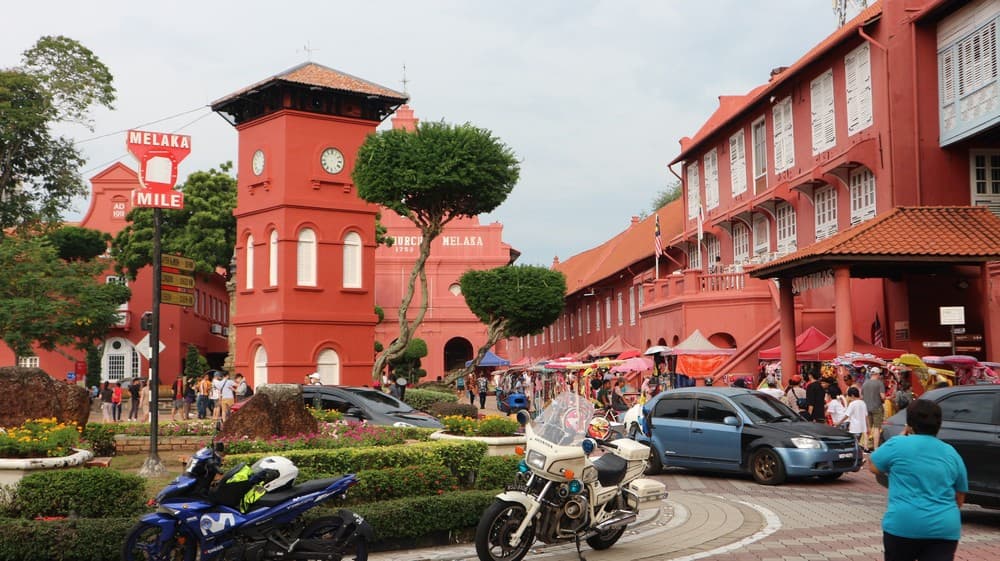
The visual center of Melaka is defined by the vibrant, terracotta-red buildings of the Dutch Square. Built by the Dutch administration in the mid-17th century, the Stadthuys stands as one of the oldest Dutch official buildings in the East. Photographing the historic Christ Church, the old wind vane, and the colonial fountains provides an immediate sense of the global trade networks that once fought to control this strategic strait.
Remnants of European Empires
Just a short walk from the red square, visitors can explore the architectural fingerprints left by competing empires. Scale the gentle slopes of St. Paul’s Hill to walk among the stone ruins of the 16th-century Portuguese church, where ancient, hand-carved Dutch tombstones stand against the walls. At the base of the hill sits A Famosa, the weathered stone gatehouse that remains the lone surviving relic of a massive Portuguese fortress complex.
2. The Preservation of Peranakan Culture & Jonker Street
Melaka’s global trading importance attracted thousands of Chinese merchants who settled along the coast, marrying local Malay women. This beautiful cross-cultural convergence birthed the distinct Baba-Nyonya (Peranakan) community, whose art, language, clothing, and customs are carefully preserved across the old town.
The Vibrancy of Jonker Street
By day, Jalan Hang Jebat (Jonker Street) is a quiet, highly scenic avenue lined with historic pre-war shophouses, traditional blacksmiths, independent art galleries, and antique stores. However, when weekend night falls, the entire street closes to vehicle traffic, transforming into an energetic open-air night market. The air fills with the aroma of local street food, acoustic music, and the lively chatter of local artisans.
The Nyonya Culinary Standard
For food lovers, Melaka is a destination of mandatory pilgrimage. The local Peranakan kitchen focuses on complex spice pastes, slow-simmering, and sharp balances of heat and sour notes. Travelers can duck into unpretentious, family-run shophouses to sample authentic Nyonya Laksa, traditional chicken rice balls, and rich desserts heavily infused with Gula Melaka (locally harvested coconut palm sugar).
3. The Renaissance of the Melaka Riverfront
In recent years, Melaka has masterfully revitalized its historic waterway, transforming the Melaka River from an old trading port into a highly sophisticated, scenic boardwalk that serves as a focal point for evening relaxation.
The riverfront walls are adorned with large, colorful murals that tell stories of local legends, traditional folklore, and historical events. Visitors can embark on a relaxing evening river cruise as the sun dips below the horizon, watching the old bridges and restored colonial warehouses light up in a warm, cinematic glow. The banks are lined with quiet boutique hotels, open-air cafes, and indie bars, offering a peaceful space to sit by the water with a cold drink after a long day of historical trekking.
Perspective: Melaka vs. High-Octane Modern Cities
To understand why Melaka maintains its highly competitive position in regional tourism, see how its core experience compares to high-density urban destinations:
The Travel Pace
Melaka Heritage Core: Prioritizes unhurried pedestrian exploration, slow riverfront strolls, historic property tours, and relaxed, multi-generation community interactions.
Modern Urban Hubs: Centered around fast-paced transits, high-density crowds, massive multi-tier shopping complexes, and scheduled commercial experiences.
Authenticity of Architecture
Melaka Heritage Core: Features genuine, century-old pre-war shophouses, weathered stone fortresses, and protected monuments that showcase authentic historic aging.
Modern Urban Hubs: Frequently relies on newly constructed replica structures, simulated heritage zones, and sleek, minimalist commercial aesthetics.
Financial Accessibility
Melaka Heritage Core: Offers an abundance of highly economical, world-class street foods, independent guesthouses, and free historical landmarks accessible to budget and luxury travelers alike.
Modern Urban Hubs: Heavily dominated by high-priced premium experiences, expensive hotel dining rooms, and high ticket costs for simulated viewing decks.
Practical Essentials for Visiting Melaka
- Keep Physical Cash on Hand: While major boutique hotels, fine dining venues, and modern retail properties smoothly handle international credit cards, the beating heart of Melaka’s food and market scene—the independent Jonker Street hawkers, traditional trishaw riders, and vintage antique dealers—operate strictly on cash transactions. Keep a healthy supply of small-denomination Malaysian Ringgit (MYR) in your pocket.
- Leave the Vehicle at the Hotel: The narrow, historic pre-war roads inside the UNESCO heritage zone were designed long before cars existed and can experience extreme traffic gridlock during weekend blocks. Save yourself immense parking frustration by parking your transit vehicle safely at your hotel garage and navigating the compact heritage sites entirely on foot or via a colorful local trishaw.
- Plan Around the Weekend Schedule: While Melaka’s historical museums and main heritage ruins are open daily, the world-famous Jonker Street Night Market operates strictly on Friday, Saturday, and Sunday evenings. To experience the town at its highest energetic peak, align your cross-country driving itinerary to anchor your Melaka stay over a weekend window.
Document Framework
- Editorial Team: Travelex Admin
- Data Context: Tue, 19 May 2026 23:40
Related blogs.
How to Travel from Singapore to Johor Bahru: The Definitive 2026 Cross-Border Guide
Changi Airport to Johor Bahru: The Legal Commercial Van Transit Guide
An Honest Assessment of Dewakan Kuala Lumpur: Elevating Malaysian Ingredients to Fine Dining Standards
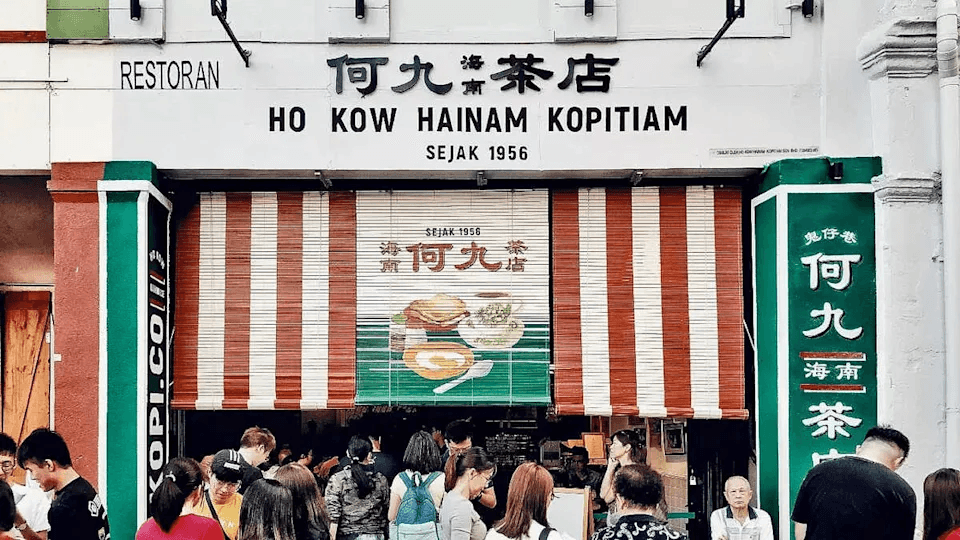
The Legacy of the Kopitiam: An Honest Review of Ho Kow Hainan Kopitiam Kuala Lumpur